When an older flat is renovated, what you see most are the finishes: floors, tiling, kitchen and bathroom. But what most determines the result, the safety and the cost is behind the walls. The installations of a flat decades old are rarely designed for how we live today, and renewing them during the renovation is far cheaper than doing it afterwards.
Why older installations are a critical point
Decades ago less electricity was used, there were fewer appliances and safety requirements were different. Today a home runs an oven, induction hob, washing machine, dishwasher, air conditioning and many electronic devices, sometimes all at once. An installation designed for another era may fall short and, in the worst case, be dangerous.
Electrics
In an older flat it is worth having a professional check:
- The consumer unit: whether it has proper residual-current and circuit-breaker protection or still uses old fuses.
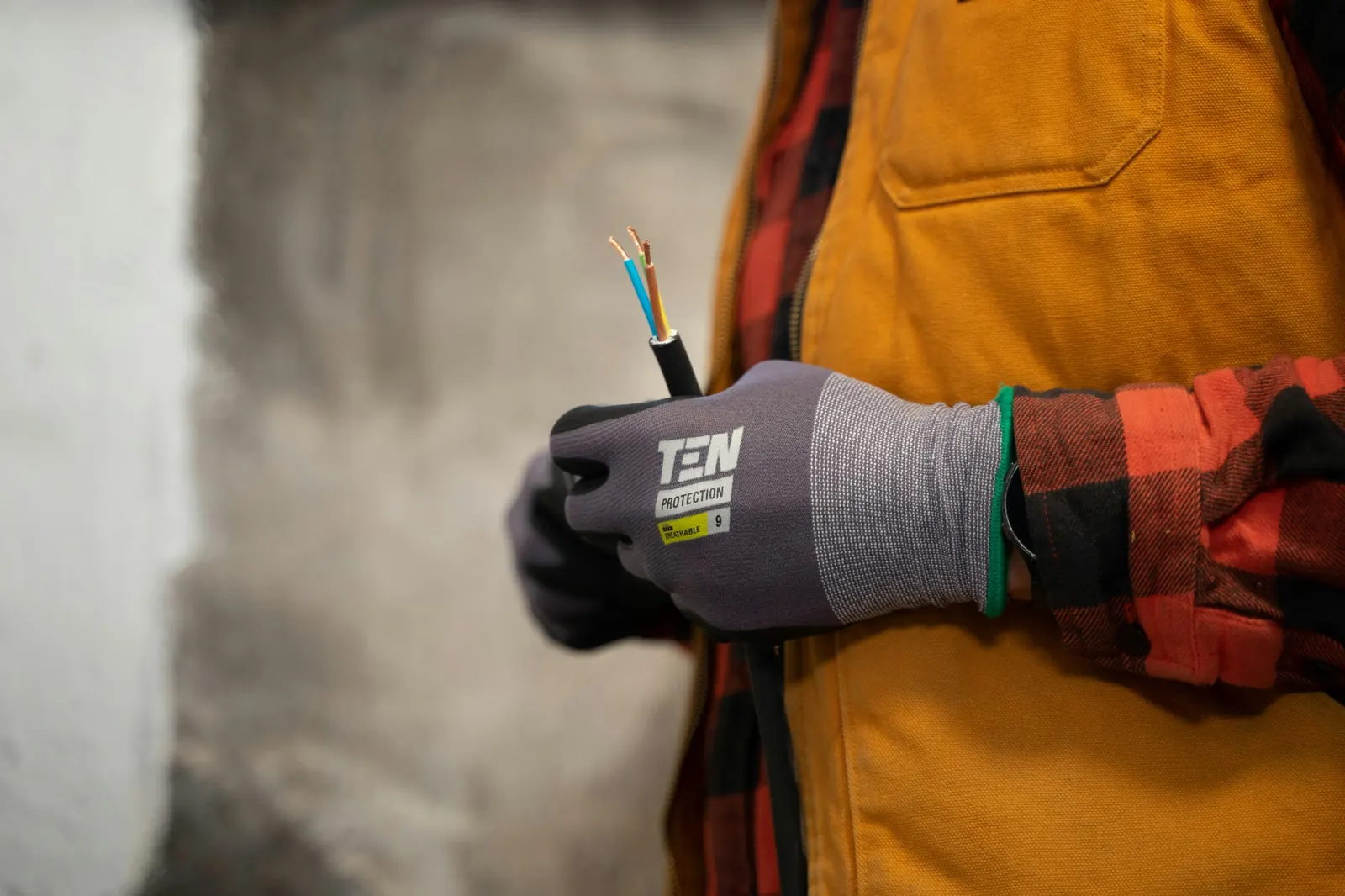
- The condition and size of the wiring: old cables with damaged insulation, joints without a junction box or sizes too small for current demand.
- The earth connection, which is essential for safety.
- The number of circuits, light points and sockets, which is usually too few, especially in the kitchen and bathroom.
- The contracted power versus what you will need with the new appliances.
In a full renovation it is usual to renew the whole installation to meet current regulations, and to do it with the walls open, which lets you place switches, circuits and sockets where you really need them. The certificates that prove the installation are issued by an authorised installer.
Plumbing and drains
Old pipes can be made of materials that deteriorate over the years, and drains from another era may have little slope or small diameters. Signs that renewal is worth it:
- Low or variable water pressure.
- Coloured water or sediment when you open a tap.
- Small leaks or damp stains on ceilings and walls.
- Noisy pipes or slow drains.
- Visible pipes with corrosion.
Replacing them during the renovation, with the bathroom and kitchen already being worked on, is the cheapest option. It is also the time to fit isolation valves for each room, which is very useful the day there is a leak.
Damp: find the cause before covering it
Painting or tiling over damp is money wasted. You need to find its origin, which may be a leak, condensation from poor ventilation, water coming through the roof or façade, or rising damp on ground floors. Each cause has a different solution, and some depend on the residents' association.
Ventilation and climate control
Many older flats have poor ventilation in bathrooms and kitchens, which causes condensation and mould. A renovation is the moment to improve extraction, to plan for air conditioning or heating with hidden pipework and to check the kitchen's extraction outlets.
What you can learn about the building
If the building has an inspection or evaluation report, consulting it before the renovation can give you useful information about the structure, the risers and the roofs. It is also worth asking the association whether works are planned on shared elements that could affect your home.
How much installations affect the budget and the schedule
Renewing installations adds lines to the budget and lengthens the work, but it is the investment you notice least and appreciate most. That is why the quote should itemise them separately: so you know what is renewed, what stays and what happens if something unexpected is found when the walls are opened. If needed, a contingency line is agreed or you are consulted before anything extra is done.
Why it pays to do it before the finishes
- Opening a wall after tiling or painting means redoing the finishes.
- With the walls open, routes can be hidden and points placed where you need them.
- Breakdowns and later repairs are avoided.
- You pay the labour of opening and closing only once.
How we approach it at New Home 10
At the technical visit we check the state of the installations and explain what is worth renewing and why. We reflect it in the proposal as separate line items and coordinate authorised installers with the rest of the work. If you are thinking about renovating an older flat, see our full renovations page or tell us about your case on the quote page.
Planning a renovation?
Tell us about your project and we will reply within 48 hours.